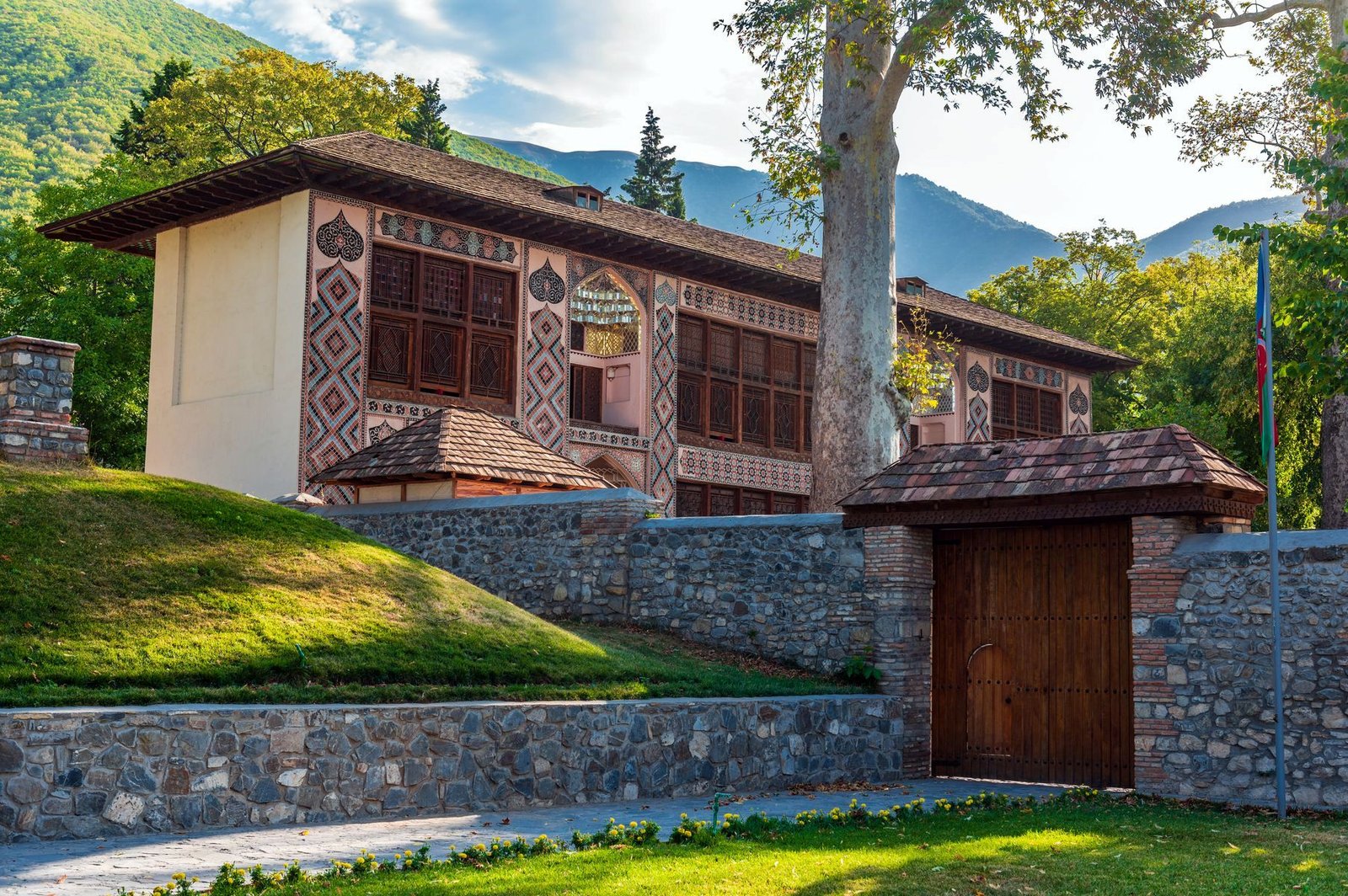
There are destinations that impress you for a moment, and there are places that stay with you long after the journey ends. Sheki belongs to the latter. It is one of the few cities in Azerbaijan where history is not simply preserved in museums, but continues to live in architecture, traditions and everyday life.
If you are planning an Azerbaijan tour, visiting Sheki will give you a much deeper understanding of the country. It reveals a different side of Azerbaijan — one that existed long before the modern skyline of Baku. Here, the atmosphere is calmer, more authentic, and closely connected to centuries of cultural development.
From Caucasian Albania to the Sheki Khanate
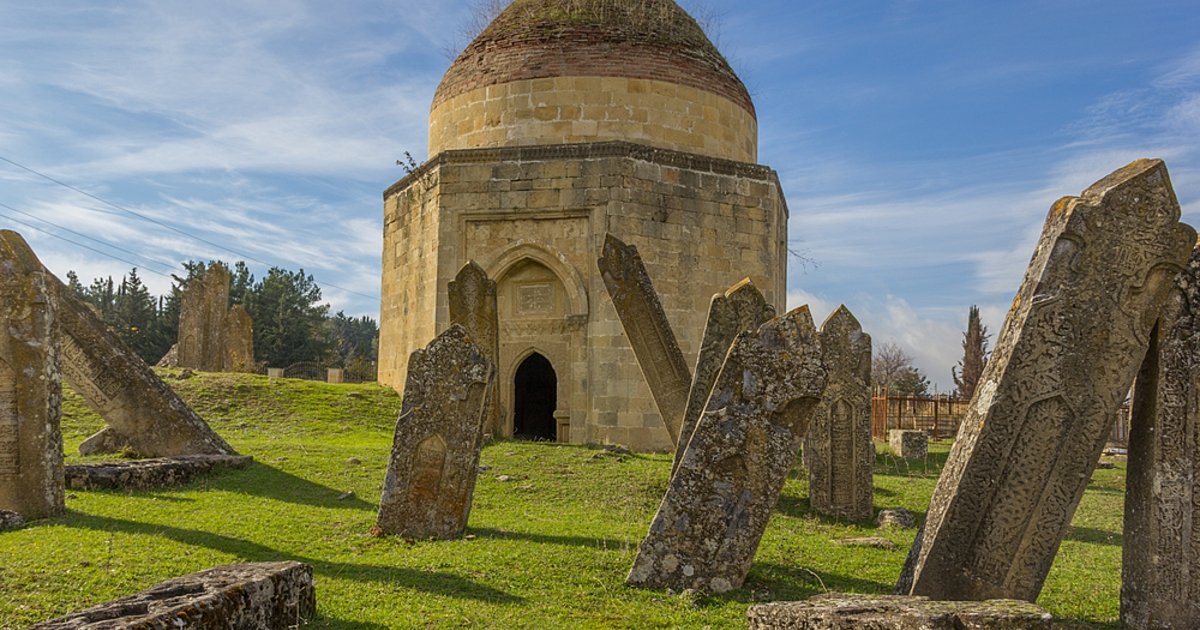
The history of Sheki goes back more than 2,000 years. In ancient times, this region was part of Caucasian Albania, one of the earliest states in the South Caucasus. Due to its strategic location between the mountains and the plains, Sheki quickly became an important settlement.
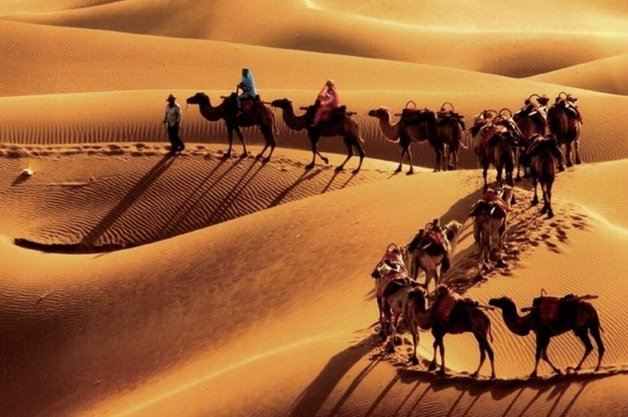
During the Middle Ages, the city developed into a center of trade and craftsmanship. However, its real prosperity began during the era of the Silk Road. Trade caravans traveling between China, Central Asia, Persia and Europe passed through this region, turning Sheki into a key hub for commerce and cultural exchange.
In the 18th century, the Sheki Khanate was established, marking an important political and cultural period in the city’s history. Many of the architectural monuments that visitors see today were built during this time.
That is why Sheki is often included in tours in Azerbaijan — it allows travelers to explore the historical evolution of the country in a very tangible way.
The Palace of the Sheki Khans — A Symbol of Cultural Excellence
One of the most iconic landmarks in Sheki is the Palace of the Sheki Khans. Built in the 18th century, it served as a summer residence for the rulers and symbolized the wealth and sophistication of the khanate.
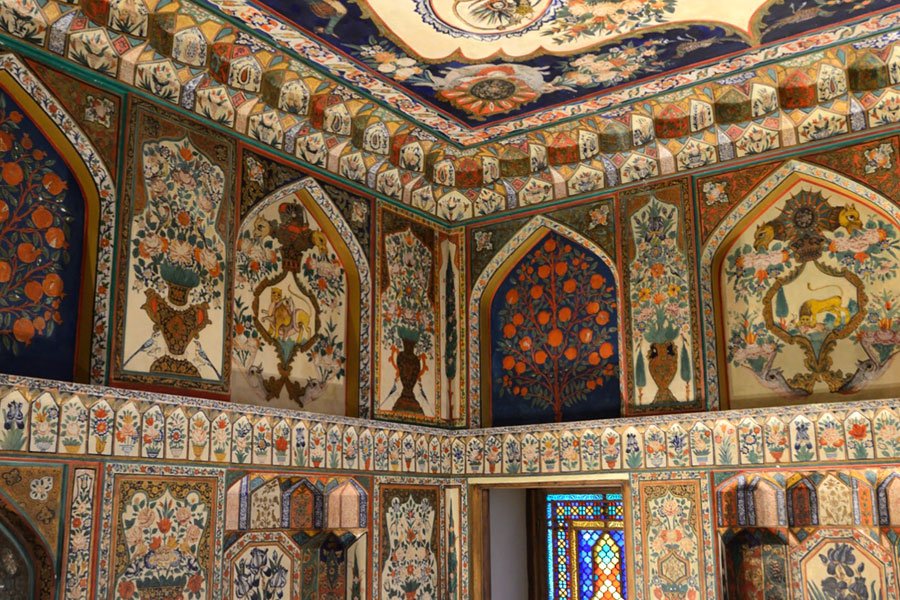
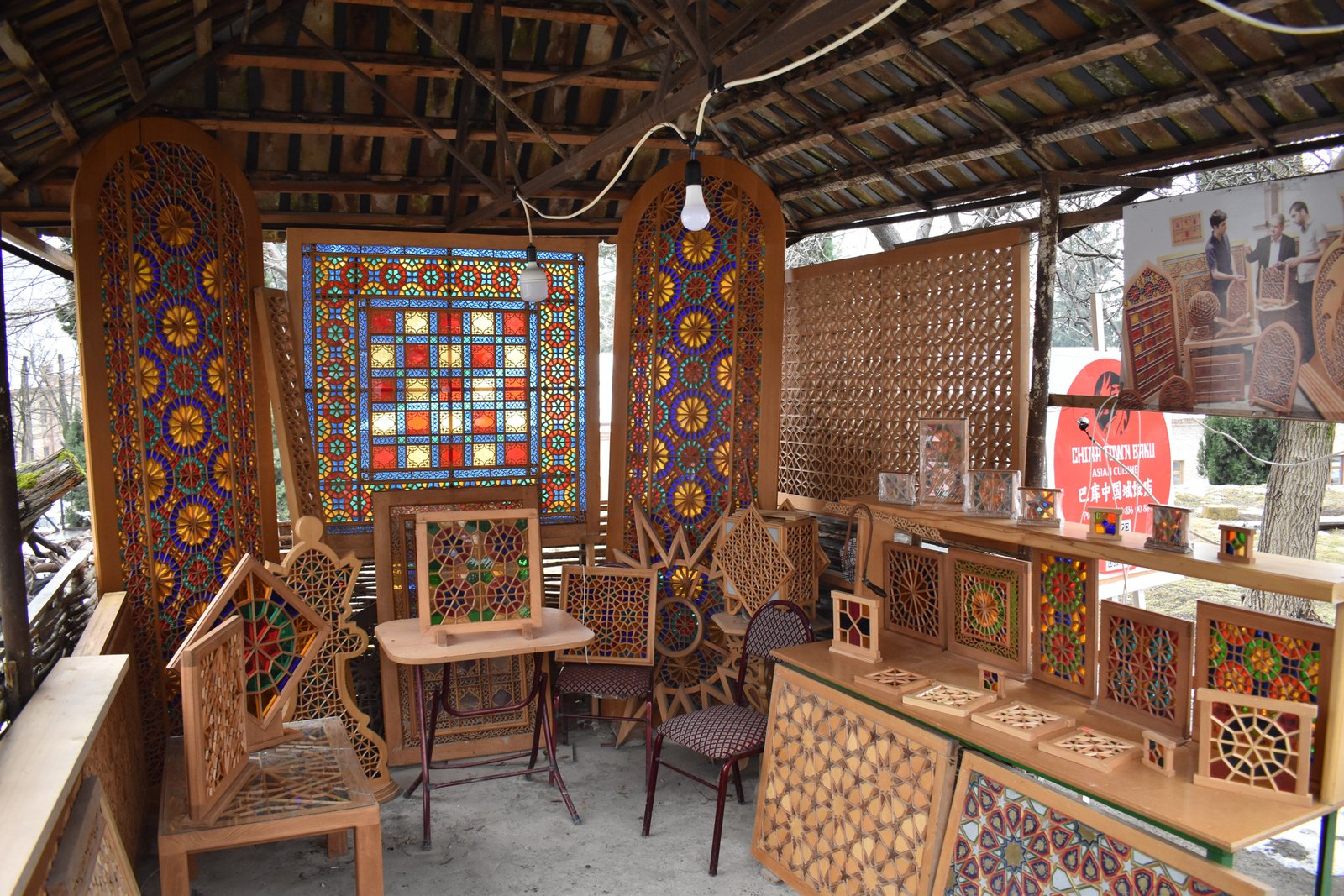
Despite its relatively small size, the palace is remarkable for its intricate design. The most famous feature is the shebeke stained glass — a complex construction made of thousands of small wooden and glass pieces, assembled without nails or glue.
Inside, the walls are decorated with detailed paintings depicting floral motifs, geometric patterns and scenes of hunting. These elements reflect the artistic traditions of the East and demonstrate the high level of craftsmanship of that period.
For travelers looking for meaningful tours in Azerbaijan, this palace is one of the most impressive cultural sites to visit.
Caravanserais — The Infrastructure of the Silk Road
The caravanserais of Sheki are among the best-preserved examples of Silk Road infrastructure. These large stone complexes were designed to accommodate merchants, store goods and ensure the safety of caravans.
Their architecture was highly functional. Thick walls protected against extreme weather, while inner courtyards provided a secure space for both traders and their animals. The layout allowed merchants to keep their goods close and protected at all times.
Today, the Upper and Lower Caravanserais offer visitors a rare opportunity to see how trade and travel operated centuries ago. These are not reconstructions, but authentic historical buildings.
If you are considering tours around the regions of Azerbaijan, Sheki stands out as one of the most historically rich destinations.
Silk Production and Economic Importance
Historically, Sheki was one of the main centers of silk production in the region. The local climate was ideal for breeding silkworms, and the city became known for producing high-quality silk fabrics.
These textiles were exported to international markets, contributing significantly to the city’s economy. Silk production also influenced local craftsmanship and trade networks.
Even today, traces of this tradition remain. Visitors can find workshops and locally made products that reflect this heritage, adding another layer to the travel experience.
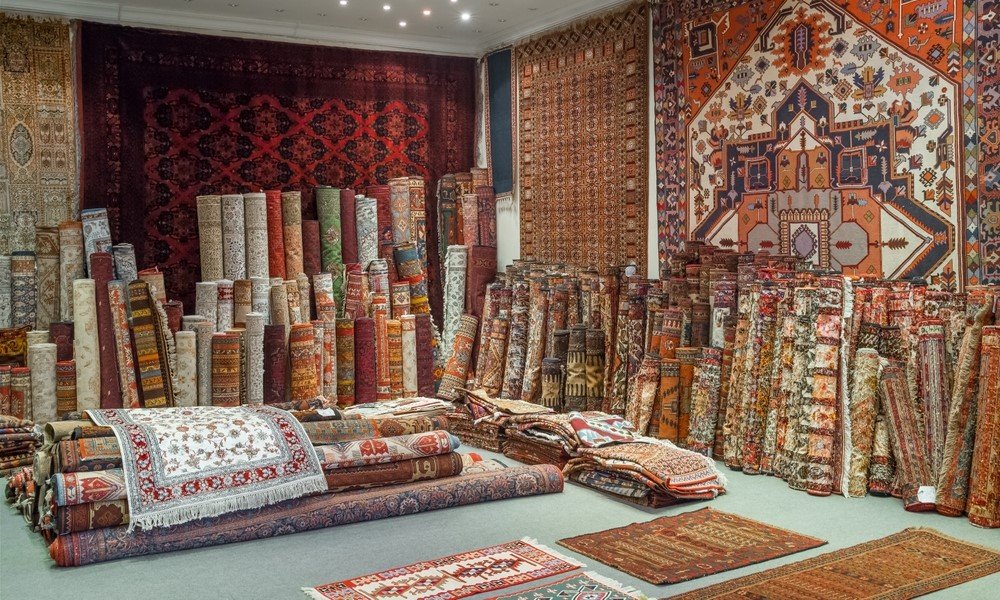
Living Traditions and Craftsmanship
One of the defining characteristics of Sheki is that its traditions are still alive. They have not disappeared or turned into static museum displays — they continue to be part of daily life.
Local artisans still practice the art of shebeke, carpet weaving, pottery and wood carving using traditional methods passed down through generations.
Another highlight is Sheki halva, a traditional dessert made with a delicate lattice structure, nuts and syrup. It is not only a local specialty but also a reflection of the region’s culinary heritage.
These cultural elements make tours in Azerbaijan more immersive, allowing visitors to experience the country beyond its landmarks.
Nature and Climate
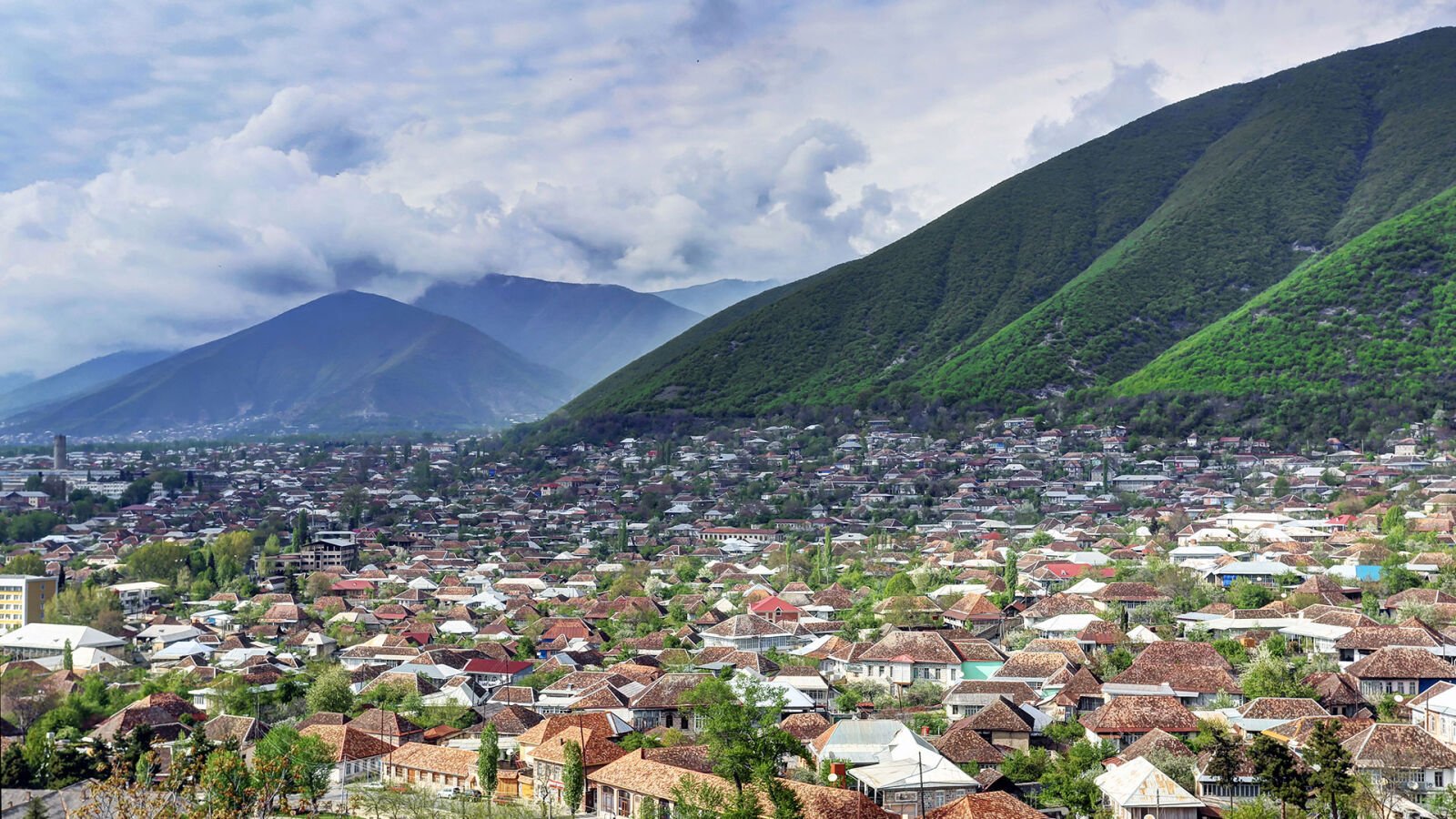
Sheki is located at the foothills of the Greater Caucasus Mountains, which gives it a unique climate. Compared to Baku, the weather here is cooler, the air is fresher, and the environment is greener.
The mountains act as a natural barrier, protecting the city from extreme heat. This has historically influenced agriculture and settlement patterns in the region.
For travelers, this means that Sheki offers not only historical exploration but also a chance to relax in a peaceful natural setting.
Why Sheki Should Be Part of Your Journey
Sheki is not just a destination — it is an experience that connects history, culture and nature.
If you are planning an Azerbaijan tour, including Sheki in your itinerary will make your trip more complete. It provides a perfect contrast to Baku, showing a quieter and more traditional side of the country.
The best way to explore Sheki is through guided tours in Azerbaijan, where you can learn about the historical context, visit key landmarks and discover hidden details that are easy to miss on your own.
Explore the Sheki tour: https://toursinazerbaijan.az/tour-to-sheki-journey-through-ancient-azerbaijan